Maximizing Efficiency: A Guide to Industrial Pallet Racking
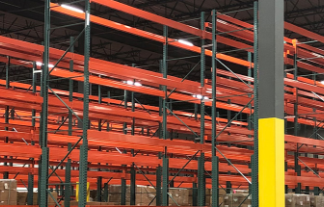
Maximizing efficiency in warehouse operations is crucial for businesses that aim to optimize space and improve productivity. One key component of efficient warehouse management is the strategic use of industrial pallet racking systems. These systems not only enhance storage capacity but also facilitate better inventory management and safety protocols. Understanding the various types of pallet racking systems and their respective benefits can significantly impact operational efficiency.
Understanding Industrial Pallet Racking
Industrial pallet racking is an essential storage solution designed to hold inventory in a warehouse setting. It allows for the efficient use of space by stacking goods in multiple tiers. This system is versatile and can be customized to meet specific warehouse needs, making it an integral part of any effective warehouse management strategy.
Types of Pallet Racking Systems
There are several types of industrial pallet racking systems, each offering unique advantages. Choosing the right system depends on factors such as the type of inventory, warehouse layout, and access requirements.
Selective Racking
- Allows direct access to each pallet.
- Ideal for warehouses with a wide variety of products.
- Flexible and easily adjustable to accommodate different pallet sizes.
Drive-In and Drive-Through Racking
- Maximizes storage density by allowing forklifts to drive directly into the rack.
- Best suited for storing large quantities of homogeneous products.
- Drive-in racks have a single entry point; drive-through racks have access on both sides.
Push Back Racking
- Supports the storage of multiple pallets on inclined rails.
- Operates on a last-in, first-out (LIFO) system, making it ideal for products with a longer shelf life.
- Increases storage density while maintaining selectivity.
Pallet Flow Racking
- Uses gravity rollers to move pallets from the loading to the unloading side.
- Operates on a first-in, first-out (FIFO) system, perfect for perishable goods.
- Enhances efficiency by reducing the need for forklifts to enter the racking system.
Benefits of Efficient Pallet Racking
Implementing an efficient industrial pallet racking system can yield numerous benefits for warehouse operations. Here are some key advantages:
- Space Optimization: By utilizing vertical space, warehouses can significantly increase their storage capacity without the need for physical expansion.
- Improved Accessibility: Efficient racking systems facilitate easy access to goods, thereby reducing retrieval times and enhancing workflow efficiency.
- Enhanced Safety: Properly installed racking systems reduce the risk of accidents and damage to inventory, ensuring a safer working environment.
- Cost-Effectiveness: By optimizing space and improving operational efficiency, businesses can reduce overhead costs and increase overall profitability.
Key Considerations for Implementation
When implementing a new pallet racking system, several factors must be considered to ensure it aligns with operational goals.
Warehouse Layout
- Analyze the current warehouse layout to determine the best configuration for the racking system.
- Consider the placement of aisles, access points, and other structural elements.
Inventory Type
- Evaluate the nature of the inventory, including size, weight, and turnover rate.
- Select a racking system that accommodates these specific requirements.
Budget Constraints
- Establish a budget that covers both the initial installation and ongoing maintenance costs.
- Consider the long-term savings associated with increased efficiency and reduced damage to goods.
Conclusion
Incorporating an efficient industrial pallet racking system is a strategic move that can greatly enhance warehouse operations. By understanding the different types of racking systems and their benefits, businesses can make informed decisions that align with their operational needs. The right racking system not only optimizes space and enhances safety but also contributes to the overall cost-effectiveness of warehouse management. Investing in quality racking solutions is a critical step towards achieving maximum efficiency in any industrial setting.