Understanding the Benefits of Commercial HVAC Services
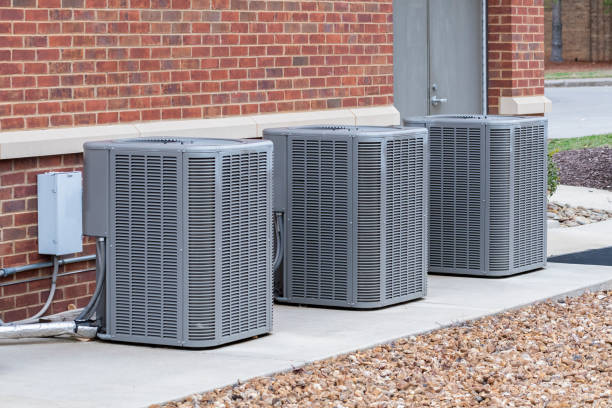
Commercial heating, ventilation, and air-conditioning (HVAC) systems are the backbone of comfortable, efficient, and productive work environments. Properly maintained and expertly serviced, these systems not only regulate temperature but also improve indoor air quality, reduce energy consumption, and extend the lifespan of critical equipment. Understanding the full range of benefits that professional commercial HVAC services provide helps facility managers make informed decisions that align with operational goals and sustainability initiatives.
Key Advantages of Professional Commercial HVAC Services
1. Enhanced Energy Efficiency
Energy costs represent a significant portion of a commercial building’s operating budget. Skilled HVAC technicians employ diagnostic tools and industry-best practices to fine-tune system performance, resulting in:
- Optimized airflow and balanced pressure throughout the building.
- Precise calibration of thermostats and control sequences.
- Implementation of seasonal adjustments that match occupancy patterns.
These measures can lower utility bills by up to 30″?% in many facilities. For a deeper dive into energy-saving strategies, Read more about this topic.
2. Prolonged Equipment Lifespan
Regular maintenance prevents the wear and tear that leads to premature failure. Key actions include:
- Cleaning coils and filters to avoid blockages.
- Lubricating moving parts to reduce friction.
- Inspecting electrical connections for corrosion or loose contacts.
By addressing minor issues before they become major problems, facilities can defer costly replacements and maintain reliable operation for years. Learn more in this detailed guide.
3. Improved Indoor Air Quality (IAQ)
Commercial spaces often host large numbers of occupants, making IAQ a critical health and productivity factor. Professional HVAC services ensure:
- Effective filtration of particulates, allergens, and pollutants.
- Regular inspection of ductwork to prevent mold growth.
- Proper humidity control to inhibit bacterial proliferation.
Better IAQ has been linked to reduced absenteeism and enhanced employee performance. Explore further insights here.
Core Components of a Comprehensive Service Plan
Preventive Maintenance
Scheduled inspections and routine tasks form the foundation of a preventive maintenance program. Typical activities include:
- Seasonal system start-up and shutdown procedures.
- Thermodynamic performance testing.
- Calibration of safety controls and sensors.
These actions help identify inefficiencies early, keeping the system running at peak capacity. Find additional information here.
Emergency Repair Services
Even with diligent upkeep, unexpected failures can occur. A responsive emergency service ensures:
- Rapid diagnosis and part replacement.
- Minimized downtime for critical operations.
- Documentation of root-cause analysis to prevent recurrence.
Having a reliable partner available 24/7 is essential for facilities that cannot afford prolonged interruptions.
System Upgrades and Retrofits
Technology evolves quickly, and older HVAC units may lack the efficiency of newer models. Upgrades can involve:
- Installing variable-frequency drives (VFDs) for motor speed control.
- Integrating smart thermostats and building automation systems.
- Retrofitting heat recovery ventilators to capture waste energy.
These improvements not only cut energy use but also align with sustainability certifications. Read more about this topic.
Financial Implications and Return on Investment
Investing in professional HVAC services yields measurable financial returns. Key considerations include:
- Reduced Utility Bills: Efficient operation directly translates to lower monthly expenses.
- Lower Repair Costs: Early detection prevents catastrophic failures that require expensive parts and labor.
- Extended Asset Life: Deferring replacement reduces capital expenditures.
- Compliance and Incentives: Meeting energy codes can qualify facilities for rebates and tax credits.
When these factors are combined, many businesses achieve a payback period of less than two years on comprehensive service contracts. Learn more in this detailed guide.
Best Practices for Selecting a Commercial HVAC Service Provider
Choosing the right partner is crucial for maximizing the benefits outlined above. Consider the following criteria:
- Certification and licensing of technicians.
- Proven experience with systems similar in size and complexity.
- Transparent pricing structures and service level agreements.
- Availability of advanced diagnostic tools and parts inventory.
Evaluating providers against these standards helps ensure consistent performance and accountability. Explore further insights here.
Conclusion
Commercial HVAC services play a pivotal role in maintaining comfortable, healthy, and cost-effective building environments. From energy savings and equipment longevity to superior indoor air quality and financial returns, the advantages are extensive and quantifiable. By implementing a structured maintenance program, embracing timely repairs, and staying abreast of technology upgrades, businesses can safeguard their operations while supporting sustainability goals. For ongoing guidance and deeper exploration of these topics, Find additional information here.