Top Questions to Ask Your Criminal Law Attorney
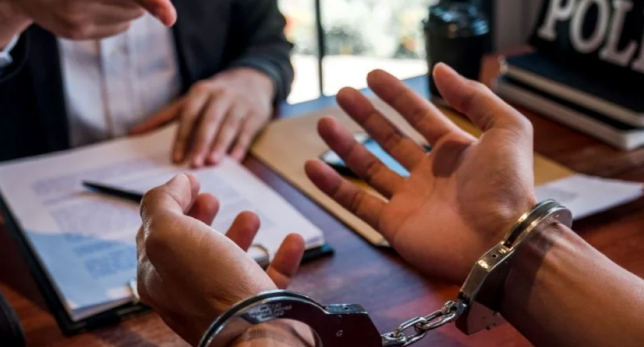
When facing criminal charges, the attorney you choose can profoundly influence the outcome of your case. Knowing which questions to ask during the initial consultation helps you evaluate experience, strategy, and communication style, ensuring you feel confident in the representation you receive. Below is a comprehensive guide to the most important inquiries, organized to streamline your discussion and provide clarity on what to expect throughout the legal process.
Understanding the Attorney’s Experience and Track Record
What is your background in criminal defense?
- Ask about the number of years practicing criminal law and the specific types of cases handled (e.g., felonies, misdemeanors, drug offenses, white-collar crimes).
- Inquire whether the attorney has trial experience or primarily works on plea negotiations.
Can you share recent case outcomes similar to mine?
- Request examples of successful dismissals, reduced charges, or favorable plea agreements.
- Look for consistency in results, not just isolated wins.
Do you have any specialized certifications or training?
- Certifications in criminal law, forensic evidence, or trial advocacy demonstrate a deeper commitment to the field.
- Membership in professional organizations such as the National Association of Criminal Defense Lawyers can be a positive indicator.
Assessing the Attorney’s Approach and Strategy
What is your initial assessment of my case?
- Listen for a clear, honest evaluation rather than vague optimism.
- Ask how the attorney plans to investigate the facts, gather evidence, and interview witnesses.
How do you develop a defense strategy?
- Expect a discussion of possible defenses (e.g., lack of intent, mistaken identity, unlawful search) and the reasoning behind each.
- Ask whether the strategy will involve negotiation, trial, or a combination of both.
Which resources do you rely on for complex cases?
- Inquire about access to expert witnesses, forensic analysts, and private investigators.
- Understanding the support network can indicate the depth of preparation the attorney can provide.
Communication, Availability, and Fees
How will you keep me informed about case developments?
- Clarify preferred communication methods (email, phone, client portal) and typical response times.
- Regular updates are essential for peace of mind during a stressful legal process.
What is your fee structure?
- Ask whether the attorney charges a flat fee, hourly rate, or a hybrid model.
- Request a detailed breakdown of costs, including potential expenses for investigations, court filings, and expert testimony.
Are there any additional costs I should anticipate?
- Understanding potential out-of-pocket expenses helps avoid surprises later.
- Discuss payment plans or retainer requirements if needed.
Evaluating Compatibility and Trust
How do you handle client confidentiality?
- Confirm that all communications and case details are protected under attorney-client privilege.
- Ask about data security measures if using digital platforms.
What is your typical courtroom demeanor?
- Observe whether the attorney appears confident, respectful, and persuasive.
- Professionalism in the courtroom often translates to stronger advocacy.
Can you provide references from former clients?
- Speaking with past clients can reveal insights about reliability, responsiveness, and overall satisfaction.
- Look for patterns of positive feedback rather than isolated compliments.
Legal Resources and Ongoing Support
For deeper insight into the nuances of criminal defense, consider exploring additional educational material. Discover expert strategies here to better understand how seasoned attorneys navigate complex statutes and procedural hurdles. Likewise, Learn about our tailored solutions that address specific charge types and jurisdictional challenges.
Staying informed about procedural rights and potential defenses can empower you during consultations. Explore advanced guides and tips that break down common courtroom scenarios, evidentiary standards, and sentencing considerations. When you feel equipped with knowledge, the attorney-client relationship becomes a collaborative effort rather than a one-sided reliance.
Final Checklist Before Hiring
- Verify the attorney’s licensing status and any disciplinary history.
- Confirm that the attorney has experience with the specific jurisdiction where your case will be heard.
- Ensure you are comfortable with the communication style and fee arrangement.
- Make sure the attorney provides a clear, written retainer agreement outlining services and costs.
- Take note of any red flags, such as vague answers, pressure to settle quickly, or lack of transparency about fees.
Choosing the right criminal law attorney is a critical step toward protecting your rights and achieving the best possible outcome. By asking these targeted questions, you can assess expertise, strategy, and compatibility, ultimately forming a partnership built on trust and informed decision-making. For further guidance, Find out more about this approach and ensure you are prepared to navigate the legal landscape with confidence.