Inter-Agency File Transfer Solution: Secure Collaboration Made Simple
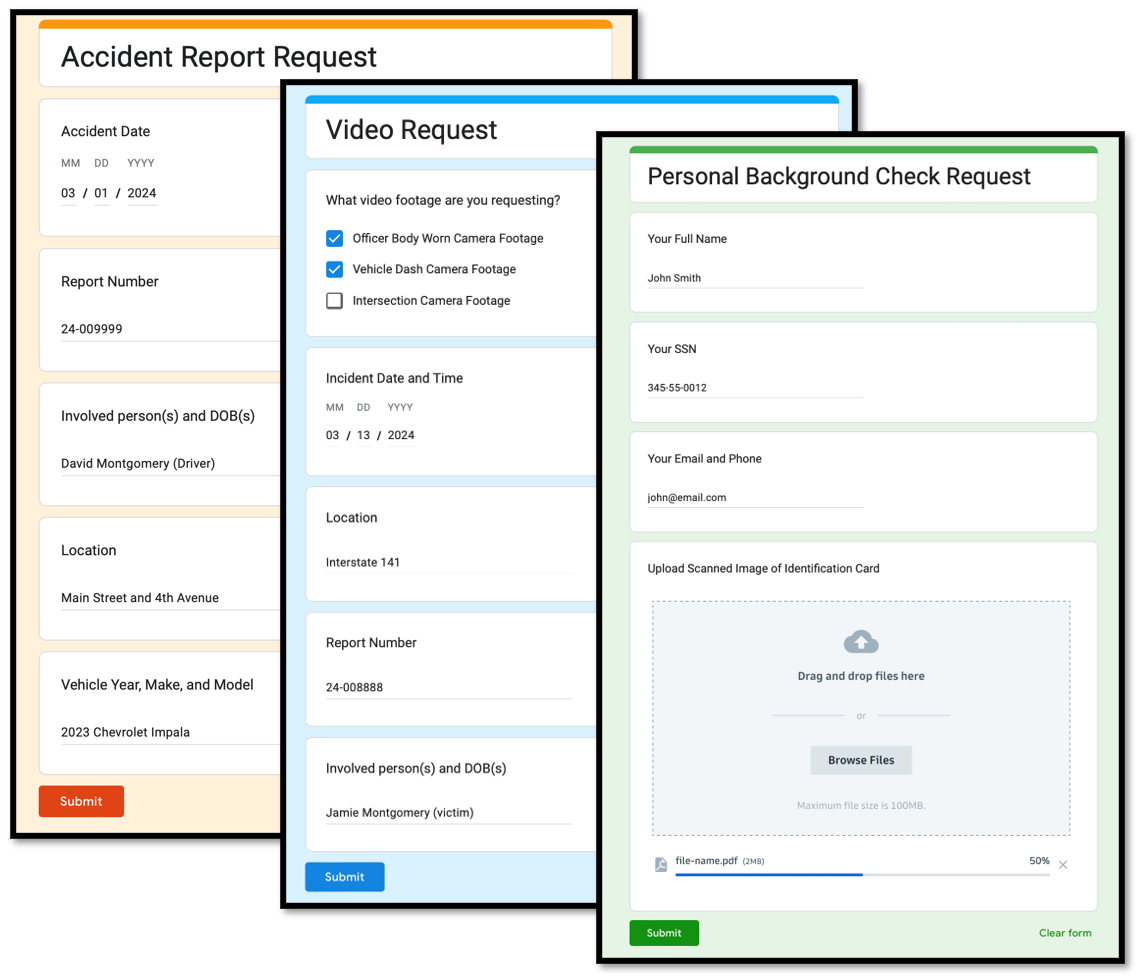
In today’s fast-moving government environment, agencies must exchange sensitive documents quickly, accurately, and securely. Traditional email attachments and ad-hoc file-sharing methods expose data to interception, version-control problems, and compliance gaps. A dedicated inter-agency file transfer solution addresses these challenges by providing a controlled, auditable, and encrypted channel for collaboration. By centralizing transfer workflows, agencies can focus on mission-critical tasks while maintaining the highest standards of data protection.
Key Benefits of a Secure Inter-Agency Transfer Platform
Enhanced Security and Compliance
- End-to-end encryption ensures that files remain unreadable to unauthorized parties.
- Granular access controls allow administrators to define who can upload, download, or modify specific documents.
- Comprehensive audit trails record every action, supporting compliance with FISMA, NIST, and other federal regulations.
- Automatic data retention policies help agencies meet statutory record-keeping requirements.
Improved Efficiency and Reliability
- Large files (multiple gigabytes) transfer without the size limits typical of email systems.
- Resumable uploads and downloads reduce interruptions caused by network instability.
- Integrated notifications keep stakeholders informed of transfer status in real time.
- Self-service portals empower users to manage transfers without IT bottlenecks.
Core Features to Look For
- Secure Transfer Protocols: Support for SFTP, FTPS, HTTPS, and API-based exchanges.
- Role-Based Permissions: Ability to assign read-only, contributor, or administrator rights per agency or user group.
- Metadata Management: Attach descriptive tags, classification levels, and expiration dates to each file.
- Automated Workflows: Trigger downstream processes such as virus scanning, format conversion, or archival storage.
- Scalable Architecture: Cloud-native infrastructure that expands to meet peak demand without sacrificing performance.
Implementation Considerations
Adopting a new file transfer solution requires careful planning to avoid disruption and to maximize return on investment. The following steps help ensure a smooth rollout:
- Stakeholder Assessment: Identify all agencies, departments, and external partners that will participate in the exchange.
- Policy Alignment: Review existing data-handling policies and map them to the platform’s security controls.
- Integration Mapping: Determine which legacy systems (document management, case management, etc.) need connectors or APIs.
- Pilot Testing: Conduct a limited-scope trial with a representative data set to validate performance and user experience.
- Training & Documentation: Provide concise guides and hands-on sessions to accelerate user adoption.
Real-World Use Cases
Cross-Agency Incident Response
During a cyber-security breach, rapid sharing of forensic logs, threat intelligence, and remediation plans is critical. A secure transfer platform enables incident response teams from multiple agencies to exchange large data sets instantly, while maintaining chain-of-custody documentation.
Joint Procurement and Contract Management
When several departments collaborate on a multi-year procurement, contracts, bid documents, and compliance checklists must be exchanged securely. Role-based permissions ensure that only authorized procurement officers can view or edit sensitive clauses, reducing the risk of inadvertent disclosure.
Choosing the Right Partner
Selecting a provider that understands the unique constraints of government operations is essential. Look for a vendor that offers:
- Federal-grade security certifications (FedRAMP, DoD Impact Level 4 or higher).
- Dedicated support teams familiar with agency procurement cycles.
- Flexible licensing models that accommodate both small pilot projects and enterprise-wide deployments.
For a deeper dive into best practices and technical guidance, Discover expert strategies here. Those interested in how tailored configurations can meet specific agency mandates may Learn about our tailored solutions. Additional resources, such as step-by-step implementation checklists, are available when you Explore advanced guides and tips. To understand the broader strategic benefits of secure collaboration, Find out more about this approach.
Future Trends in Government File Transfer
As data volumes grow and threats evolve, inter-agency collaboration tools will incorporate emerging technologies:
- Zero-Trust Architecture: Continuous verification of user identity and device health before each transfer.
- Artificial Intelligence: Automated classification of files based on content, reducing manual tagging effort.
- Blockchain Auditing: Immutable logs that provide tamper-proof evidence of file provenance.
- Quantum-Resistant Encryption: Preparing for the next generation of cryptographic challenges.
By staying ahead of these developments, agencies can ensure that their file-sharing practices remain resilient, compliant, and efficient for years to come.