Expert Air Quality Testing for Businesses
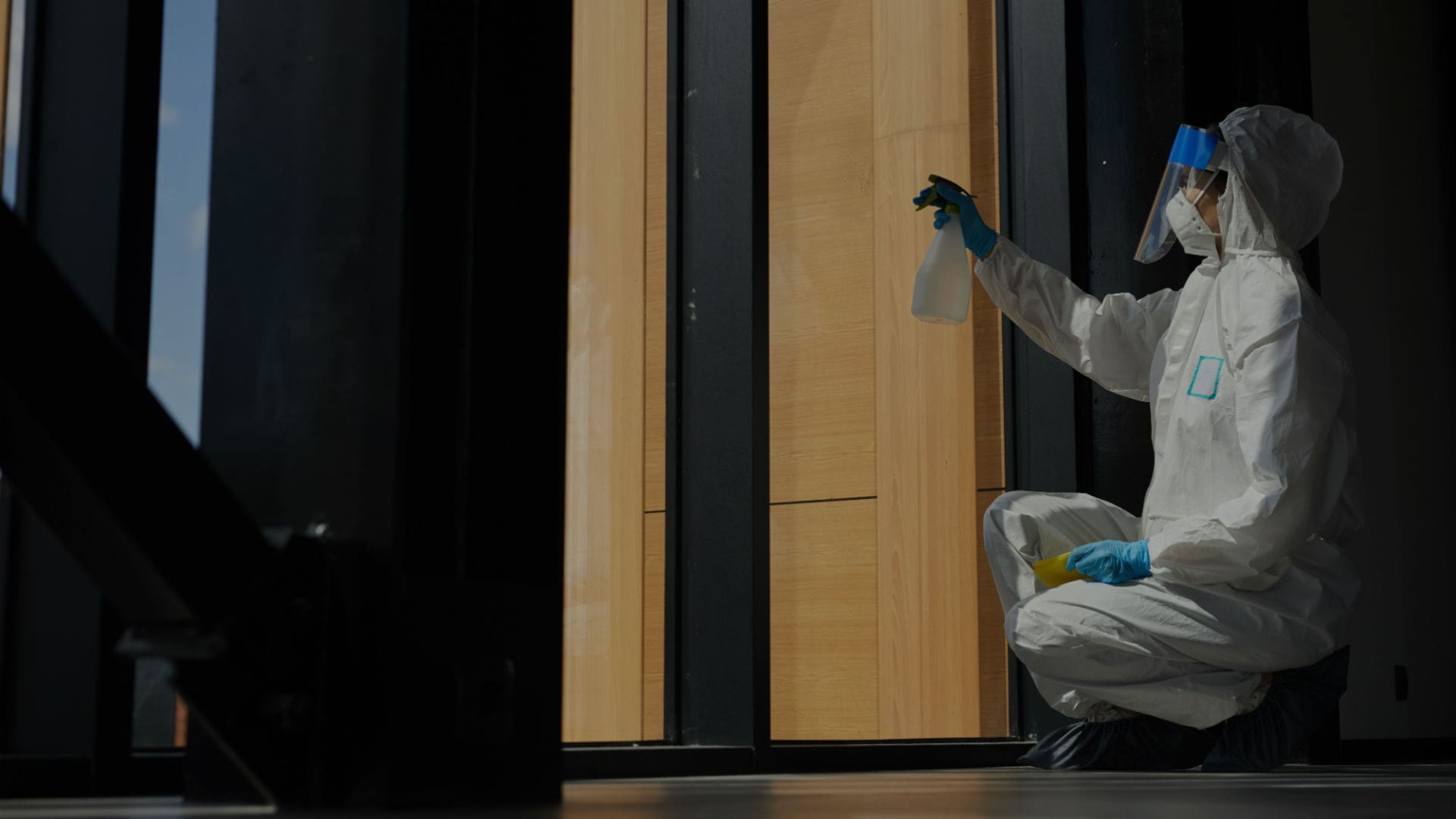
Indoor air quality directly influences employee health, productivity, and regulatory compliance. In commercial environments, offices, manufacturing floors, retail spaces, and hospitality venues, contaminants such as particulate matter, volatile organic compounds (VOCs), and biological agents can accumulate unnoticed. Systematic testing provides the data needed to identify problems, prioritize corrective actions, and maintain a safe, comfortable atmosphere for staff and visitors alike. By integrating professional air quality assessments into routine facility management, businesses can reduce absenteeism, protect brand reputation, and avoid costly penalties associated with non-compliance.
Why Air Quality Testing Matters for Commercial Spaces
A robust testing program offers several strategic benefits:
- Early detection of pollutants that can cause respiratory irritation or long-term health issues.
- Evidence-based justification for ventilation upgrades or filtration system enhancements.
- Compliance with occupational health and safety regulations, including local building codes.
- Improved employee morale and productivity through a healthier indoor environment.
For a deeper dive into the importance of indoor air monitoring, Read more about this topic.
Key Components of an Effective Testing Program
Comprehensive Sampling Strategy
A well-designed sampling plan considers the size of the space, occupancy patterns, and potential pollutant sources. Typical steps include:
- Identifying high-traffic zones and areas with known emission sources.
- Choosing appropriate sampling duration, short-term for spot checks, long-term for trend analysis.
- Utilizing both active (pump-based) and passive (diffusive) samplers to capture a range of contaminants.
Selection of Parameters
Critical air quality parameters often measured in commercial settings are:
- Particulate Matter (PM2.5 & PM10)
- Carbon Dioxide (CO???) and Carbon Monoxide (CO)
- Formaldehyde and other VOCs
- Biological agents such as mold spores and bacteria
- Temperature and relative humidity
Guidelines on selecting the most relevant parameters can be found in Learn more in this detailed guide.
Methodologies and Technologies Used in Modern Testing
Advancements in sensor technology and data analytics have expanded the toolbox available for air quality professionals. Common methodologies include:
- Real-time monitoring: Portable electronic sensors provide instantaneous readings for PM, CO???, and VOCs.
- Laboratory analysis: Collected samples are sent to accredited labs for precise quantification of chemicals and biological agents.
- Infrared spectroscopy: Enables rapid detection of gases such as methane and carbon monoxide.
- DNA-based microbial identification: Offers detailed insight into the species composition of indoor bioaerosols.
To explore the latest testing technologies, Explore further insights here.
Interpreting Results and Implementing Improvements
Data Analysis and Reporting
Raw data must be translated into actionable information. Effective reporting includes:
- Comparison against occupational exposure limits (OELs) and indoor air quality standards.
- Clear visualizations, charts, heat maps, and trend lines, to highlight problem areas.
- Prioritized recommendations based on health risk and cost-effectiveness.
Actionable Mitigation Strategies
Typical corrective actions derived from test results encompass:
- Upgrading HVAC filters to higher MERV ratings.
- Adjusting ventilation rates to maintain CO??? levels below recommended thresholds.
- Implementing source control measures, such as replacing high-VOC materials.
- Scheduling regular maintenance and cleaning of ductwork and humidification systems.
Practical steps for implementing these measures are outlined in Find additional information here.
Regulatory Compliance and Best Practices
Many jurisdictions mandate specific indoor air quality criteria for workplaces. Staying compliant involves:
- Keeping up-to-date with national and regional legislation on permissible exposure limits.
- Documenting all testing activities, results, and remediation actions for audit trails.
- Conducting periodic re-assessment to verify that improvements remain effective over time.
- Training facility managers and staff on recognizing symptoms of poor air quality and reporting concerns.
For a concise overview of regulatory expectations, Read more about this topic.
Conclusion
Investing in expert air quality testing is a proactive strategy that safeguards employee health, enhances operational efficiency, and ensures adherence to legal standards. By adopting a systematic approach, starting with a thorough sampling plan, employing modern analytical tools, interpreting data responsibly, and executing targeted mitigation, businesses can create indoor environments that support long-term success. Continuous monitoring and periodic reassessment keep the indoor atmosphere resilient against emerging pollutants and evolving regulatory landscapes.