Garden Maintenance Services for a Healthy, Year-Round Yard
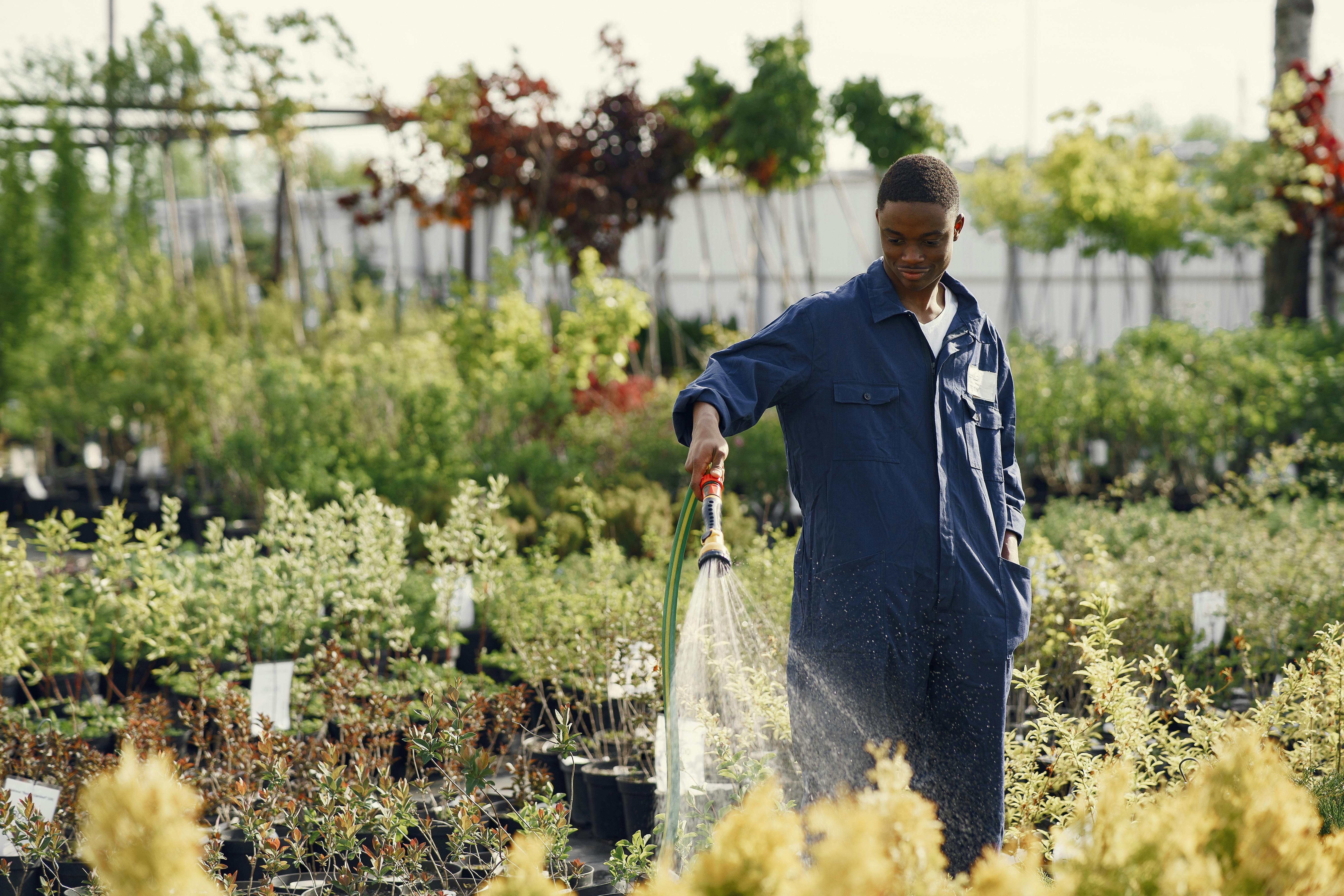
Maintaining a vibrant, healthy yard throughout the year requires more than occasional watering and occasional weeding. It involves a strategic blend of seasonal tasks, soil management, pest control, and thoughtful plant selection. By adopting a systematic approach to garden maintenance, homeowners can enjoy lush lawns, thriving flower beds, and resilient shrubs that enhance curb appeal and provide a welcoming outdoor space. The following guide outlines essential practices and professional insights that help keep a garden in peak condition, regardless of climate fluctuations or unexpected challenges.
Seasonal Maintenance Calendar
Creating a calendar that aligns garden tasks with seasonal changes ensures that each element of the landscape receives the attention it needs at the optimal time.
Spring
- Conduct a soil test to assess pH and nutrient levels; amend accordingly.
- Apply a balanced, slow-release fertilizer to promote vigorous growth.
- Prune dead or damaged branches from trees and shrubs before new shoots emerge.
- Install mulch around planting beds to retain moisture and suppress weeds.
- For a deeper dive into spring preparation, Discover expert strategies here.
Summer
- Water early in the morning to reduce evaporation and prevent fungal diseases.
- Monitor irrigation systems for leaks or uneven distribution.
- Deadhead spent blooms to encourage continuous flowering.
- Inspect for pests such as aphids, spider mites, and caterpillars; apply targeted controls when necessary.
- Read more about heat-tolerant plant choices at Learn about our tailored solutions.
Autumn
- Rake fallen leaves promptly to prevent mold and improve soil aeration.
- Plant cool-season vegetables and ornamental grasses.
- Apply a high-potash fertilizer to strengthen root systems before winter.
- Divide and relocate overcrowded perennials.
- Additional guidance on autumn planting can be found by Explore advanced guides and tips.
Winter
- Protect vulnerable plants with frost cloths or windbreaks.
- Limit foot traffic on frozen lawns to avoid soil compaction.
- Schedule equipment maintenance, sharpen mower blades, clean sprayers, and check battery life.
- Plan next year’s garden design, considering shade patterns and drainage.
- For winter-specific care recommendations, Find out more about this approach.
Soil Health and Fertility
Healthy soil is the foundation of a thriving garden. Regular testing, organic amendments, and proper aeration keep the soil ecosystem balanced.
- Testing: Conduct a comprehensive test every 2-3 years; adjust pH with lime or sulfur as needed.
- Organic Matter: Incorporate compost, well-rotted manure, or leaf mold to improve structure and water retention.
- Mulching: Use shredded bark, straw, or pine needles to moderate temperature and reduce weed pressure.
- Biological Controls: Encourage beneficial microbes and earthworms by avoiding excessive synthetic chemicals.
Pest and Disease Management
Integrated pest management (IPM) combines monitoring, cultural practices, and targeted interventions to keep problems at bay without harming the environment.
Monitoring and Identification
- Inspect leaves weekly for signs of discoloration, holes, or webbing.
- Use sticky traps and pheromone lures to gauge insect populations.
- Maintain a garden journal to track recurring issues and seasonal patterns.
Cultural Controls
- Space plants properly to ensure adequate airflow.
- Rotate crops in vegetable beds to disrupt pest life cycles.
- Remove diseased foliage promptly to limit spread.
Targeted Treatments
- Apply horticultural oils or neem-based sprays for soft-bodied insects.
- Use copper or sulfur fungicides only when fungal infection is confirmed.
- Consult professional resources for dosage and timing; Explore advanced guides and tips for best practices.
Water Management and Irrigation Efficiency
Effective water use conserves resources and promotes plant health. Modern irrigation systems, paired with smart scheduling, deliver water where and when it is needed.
- Drip Irrigation: Direct water to root zones, reducing evaporation.
- Smart Controllers: Adjust watering cycles based on weather forecasts and soil moisture sensors.
- Rainwater Harvesting: Store runoff in barrels for supplemental irrigation during dry periods.
- Regular Audits: Check for clogged emitters and adjust pressure to maintain uniform coverage.
Lawn Care Best Practices
A lush lawn contributes significantly to a yard’s overall appearance. Consistent mowing, fertilizing, and aeration keep grass dense and resilient.
- Mow at the recommended height for the grass species; typically 2.5-3.5 cm for cool-season varieties.
- Leave clippings on the surface as natural mulch, unless they are excessively thick.
- Core aerate once a year to alleviate compaction and improve root penetration.
- Apply a slow-release nitrogen fertilizer during active growth periods.
- For detailed lawn maintenance schedules, Learn about our tailored solutions.
Professional Services and When to Call an Expert
While many tasks are DIY-friendly, certain situations benefit from professional expertise. Recognizing these moments can save time, money, and plant health.
- Complex irrigation installations or retrofits.
- Large-scale tree pruning that requires specialized equipment.
- Persistent pest infestations that have resisted standard IPM methods.
- Soil remediation after severe erosion or contamination.
- To explore how a professional garden maintenance plan can be customized, Find out more about this approach.
Conclusion
Achieving a healthy, year-round yard is a continuous process that blends knowledge, timing, and attentive care. By following a structured seasonal calendar, prioritizing soil health, implementing integrated pest management, and optimizing water use, homeowners can enjoy a resilient landscape that thrives in any condition. Leveraging reputable resources and, when needed, professional guidance ensures that each element of the garden receives the precise attention it deserves, resulting in a beautiful, functional outdoor space for years to come.