Liposomal Trimethylglycine: What Sets It Apart From Regular TMG Supplements
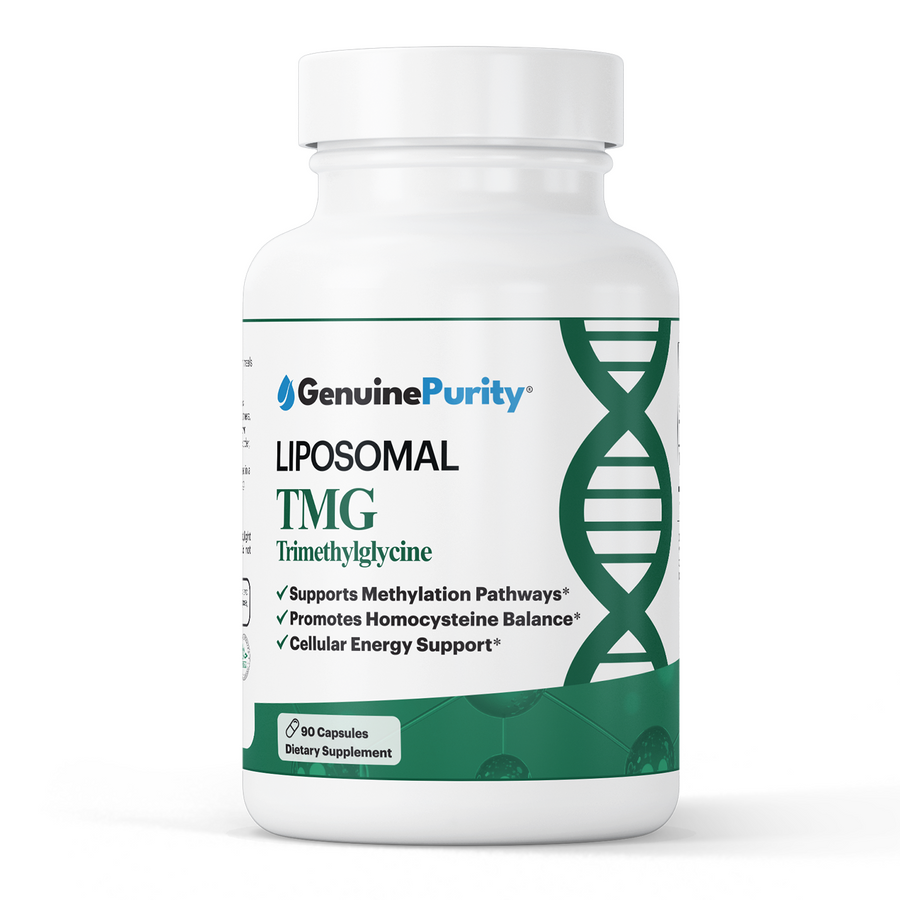
Liposomal Trimethylglycine (TMG) has emerged as a sophisticated alternative to conventional TMG supplements, offering enhanced bioavailability, targeted delivery, and superior stability. While both forms provide the same active molecule, trimethylglycine, the liposomal technology encapsulates the compound within phospholipid vesicles, fundamentally changing how the body absorbs and utilizes it. This article explores the scientific and practical differences between liposomal TMG and regular TMG supplements, helping readers understand why the liposomal version may be a more effective choice for supporting methylation, liver health, and overall wellness.
Understanding Trimethylglycine (TMG)
Trimethylglycine, also known as betaine, is a naturally occurring amino-acid derivative found in foods such as beets, spinach, and whole grains. Its primary functions include:
- Donating methyl groups in the methylation cycle, which is essential for DNA synthesis and detoxification.
- Supporting homocysteine metabolism, thereby promoting cardiovascular health.
- Acting as an osmolyte that helps cells maintain fluid balance under stress.
Because of these roles, a tmg supplement is often recommended for individuals seeking to improve methylation efficiency, reduce elevated homocysteine levels, or support liver function.
What Is Liposomal Delivery?
Liposomal delivery involves encasing the active ingredient inside microscopic lipid bilayers that mimic cell membranes. This technology offers several distinct advantages over traditional powder or capsule forms:
- Enhanced Absorption: Liposomes fuse with intestinal cells, allowing the encapsulated TMG to bypass many digestive barriers.
- Protection from Degradation: The phospholipid shell shields TMG from stomach acid and enzymatic breakdown.
- Controlled Release: The vesicles release their payload gradually, providing a steadier concentration in the bloodstream.
These benefits are why many health professionals consider liposomal trimethylglycine a more reliable source of the nutrient.
Key Differences Between Liposomal TMG and Regular TMG Supplements
1. Bioavailability
Studies on liposomal formulations consistently demonstrate higher plasma concentrations of the active ingredient compared with non-liposomal equivalents. In practical terms, a lower dose of liposomal TMG can achieve the same, or even greater, physiological effect as a higher dose of standard TMG.
2. Dosage Efficiency
- Typical oral TMG powders require 2-3″?g per day to impact homocysteine levels.
- Liposomal versions often achieve comparable results with 500″?mg-1″?g daily, due to superior absorption.
3. Gastrointestinal Tolerance
Standard TMG can cause mild gastrointestinal upset in sensitive individuals, especially at higher doses. The liposomal coating reduces direct contact with the stomach lining, minimizing the risk of nausea or bloating.
4. Stability and Shelf Life
Encapsulation protects TMG from oxidation and moisture, extending product potency over time. Regular TMG powders may degrade faster when exposed to humidity or heat.
Practical Considerations When Choosing a Supplement
When evaluating options, keep the following factors in mind to determine whether the best tmg supplement for your needs is liposomal or conventional.
- Purpose of Use: For targeted methylation support or therapeutic dosing, the higher bioavailability of liposomal TMG is advantageous.
- Budget: Liposomal products tend to carry a premium price, but the reduced dosage requirement may offset long-term costs.
- Convenience: Liposomal TMG is often delivered in liquid or soft-gel form, which some users find easier to incorporate into daily routines.
- Allergen Profile: Verify that the phospholipid source (commonly soy or sunflower) aligns with any dietary restrictions.
How Liposomal TMG Supports Specific Health Goals
Cardiovascular Health
By efficiently lowering homocysteine, liposomal TMG can reduce endothelial stress and support vascular function. The rapid absorption ensures that methyl groups are readily available for the remethylation of homocysteine to methionine.
Liver Function
The liver relies heavily on methyl donors for detoxification pathways. Liposomal delivery maximizes the amount of TMG that reaches hepatic cells, aiding in the reduction of fatty liver accumulation and supporting overall liver resilience.
Physical Performance & Recovery
Athletes often use TMG to improve muscle endurance and reduce fatigue. The sustained release from liposomal vesicles provides a more consistent supply of methyl groups during training, potentially enhancing performance and recovery.
Integrating Liposomal Trimethylglycine Into a Daily Regimen
For optimal results, consider the following guidelines:
- Take the supplement with a small amount of healthy fat (e.g., olive oil or avocado) to further aid liposomal absorption.
- Start with a conservative dose (e.g., 500″?mg) and monitor how your body responds before adjusting.
- Maintain consistent timing, morning or pre-workout, so the steady release aligns with daily metabolic demands.
- Combine with a balanced diet rich in natural betaine sources (beets, quinoa, spinach) for synergistic effects.
Conclusion
The primary advantage of liposomal tmg lies in its ability to deliver trimethylglycine more efficiently, reliably, and comfortably than traditional formulations. While both forms supply the same active molecule, the liposomal encapsulation transforms its pharmacokinetic profile, resulting in higher bioavailability, lower required dosages, and reduced gastrointestinal side effects. For individuals seeking precise methylation support, cardiovascular protection, or enhanced liver health, the liposomal version stands out as a scientifically backed choice that aligns with modern nutritional standards.