Aero Gloves Cycling Essentials for Competitive Riders
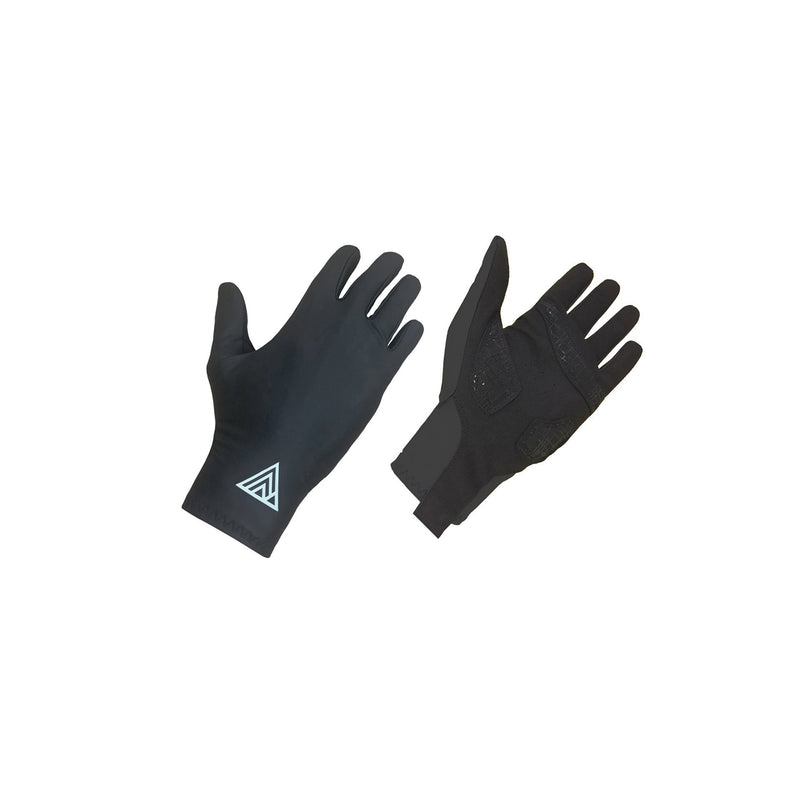
When speed becomes the decisive factor, every millimeter of drag reduction counts. Aero gloves have evolved from a niche accessory to a fundamental component of a competitive cyclist’s kit. By combining aerodynamic shaping, strategic ventilation, and precise grip technology, these gloves help riders maintain optimal power transfer while minimizing wind resistance. For athletes who chase podium finishes, understanding the nuances of aero glove design can translate directly into measurable performance gains.
Why Aero Gloves Matter in Competitive Cycling
Traditional cycling gloves prioritize comfort and protection, but aero gloves are engineered with a singular goal: speed. Their impact can be broken down into three core areas:
- Drag Reduction: Streamlined silhouettes and low-profile padding reduce the frontal area exposed to airflow.
- Power Transfer: Silicone-enhanced palm zones ensure a firm, consistent grip on the brake levers and aero bars, preventing energy loss.
- Thermal Management: Targeted ventilation channels keep hands cool during long, high-intensity efforts, preserving tactile sensitivity.
For riders seeking marginal gains, integrating aero gloves into the overall equipment strategy is a low-cost, high-impact decision.
Key Features to Evaluate
1. Aerodynamic Profile
The glove’s outer shell should follow the natural curvature of the hand, avoiding bulges that disrupt laminar flow. Materials such as lightweight ripstop nylon or carbon-infused fabrics are common choices. Look for designs that taper toward the fingertips, mirroring the shape of aero bars.
2. Grip Technology
Silicone or rubber inserts are strategically placed on the palm and thumb to provide a secure hold without adding bulk. Some premium models incorporate a dual-layer system: a soft inner liner for comfort and a hard-wear outer surface for durability.
3. Ventilation System
Even at high speeds, hands generate heat. Microporous panels or laser-cut perforations allow airflow while maintaining the glove’s sleek silhouette. Effective ventilation prevents sweating, which can compromise grip and cause slippage.
4. Fit and Adjustability
A snug, anatomical fit eliminates excess fabric that could flutter in the wind. Adjustable Velcro straps or elastic cuffs help lock the glove in place, especially during aggressive riding positions.
Choosing the Right Pair for Your Discipline
Not all aero gloves are created equal; the optimal choice depends on the rider’s specific focus, whether it’s time trialling, road racing, or criterium sprinting. Below is a quick guide to match glove characteristics with race demands:
- Time Trial / Triathlon: Prioritize ultra-low drag shells and minimal padding. Look for gloves that integrate seamlessly with aero helmets and skinsuits.
- Road Racing: Balance aerodynamic efficiency with a modest amount of cushioning for long-distance comfort.
- Criterium / Sprint: Emphasize grip durability and rapid ventilation to handle frequent braking and high-intensity bursts.
For a curated selection that aligns with these criteria, Discover expert strategies here and explore the range of options tailored to competitive needs.
Maintenance Tips to Preserve Performance
Even the most advanced aero gloves will lose their edge if not cared for properly. Follow these simple steps to extend lifespan and retain aerodynamic properties:
- Gentle Cleaning: Hand-wash with lukewarm water and a mild detergent. Avoid machine cycles that can deform the glove’s shape.
- Air Dry Only: Lay flat in a shaded area; direct sunlight can degrade the silicone grip patches.
- Inspect Regularly: Check for wear on the palm inserts and seams. Replace gloves once the grip surface shows signs of smoothing.
- Storage: Keep gloves in a breathable pouch to prevent moisture buildup between rides.
Additional guidance on glove care can be found by Learn about our tailored solutions, which includes detailed cleaning instructions and product-specific recommendations.
Integrating Aero Gloves into a Complete Aerodynamic Kit
While aero gloves contribute significantly to speed, they work best when paired with complementary equipment. Consider the following synergy points:
- Aero Helmet: A low-drag helmet reduces overall wind resistance, allowing the glove’s benefits to shine.
- Skin-Fit Jersey and Shorts: Eliminating loose fabric prevents turbulence that could offset glove gains.
- Carbon Aero Bars: The streamlined hand position created by aero bars aligns perfectly with the glove’s ergonomic shape.
- Bike Fit: A precise fit ensures the rider can maintain the optimal hand position without strain.
For a deeper dive into how each component interacts, Explore advanced guides and tips that outline a holistic approach to aerodynamic optimization.
Final Thoughts
In the world of elite cycling, where victories are often decided by fractions of a second, aero gloves represent a strategic investment that delivers tangible performance improvements. By selecting gloves with a proven aerodynamic profile, reliable grip, effective ventilation, and a precise fit, competitive riders can shave valuable time off every effort. Pairing these gloves with a well-tuned bike setup and disciplined maintenance routine ensures that the aerodynamic advantage remains consistent throughout the season.
Ready to upgrade your handwear? Find out more about this approach and explore a curated collection designed for athletes who demand speed without compromise.