Outdoor Spa Installation Tips from Top Hot Tub Dealers Portland
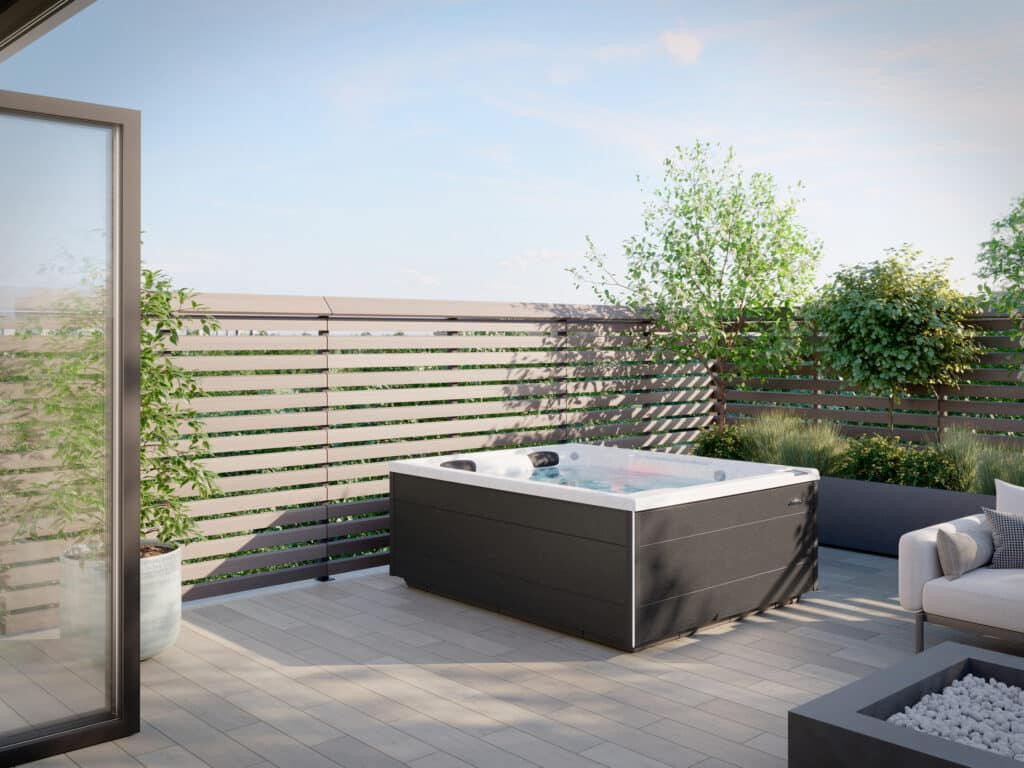
Installing an outdoor spa can transform a backyard into a year-round sanctuary, but the process involves more than simply placing a hot tub on a patio. Proper planning, site preparation, and attention to local climate are essential for a durable, safe, and enjoyable installation. Drawing on the collective experience of Portland’s leading hot-tub dealers, this guide outlines the critical steps and considerations that ensure a seamless setup and long-lasting performance.
Assessing the Site: Location, Layout, and Regulations
Choosing the Ideal Spot
- Sun exposure: Position the spa where it receives morning sunlight for gentle warming, but consider shading in the afternoon to prevent overheating.
- Privacy: Use landscaping, fencing, or pergolas to create a secluded atmosphere without compromising ventilation.
- Accessibility: Ensure a clear, level pathway for delivery trucks and for routine maintenance access.
Understanding Local Codes
Portland’s building permits often require setbacks from property lines, electrical clearances, and sometimes a drainage plan. Consulting the city’s planning department early can avoid costly revisions later. For a concise overview of permitting requirements, Discover expert strategies here.
Preparing the Foundation
A stable foundation prevents structural stress, reduces vibration, and protects the spa’s shell. The most common options include concrete slabs, reinforced pavers, and compacted gravel pads.
- Concrete slab: Minimum 4-inch thickness, reinforced with rebar, and a smooth, level finish.
- Paver system: Interlocking pavers on a sand base provide drainage while offering aesthetic flexibility.
- Gravel pad: Suitable for lighter models; must be compacted and edged to prevent spreading.
When in doubt, Learn about our tailored solutions for foundation design that matches both the spa model and the terrain.
Electrical and Plumbing Considerations
Electrical Safety
All outdoor spas require a dedicated 240-volt circuit with a GFCI breaker. The wiring must be rated for wet locations, and a licensed electrician should perform the final hookup. Improper wiring can void warranties and pose serious hazards.
Plumbing Connections
- Use corrosion-resistant PVC or CPVC for water supply lines.
- Install a pressure-relief valve to protect the system from over-pressurization.
- Plan for a convenient drain point that complies with local codes.
For a detailed checklist of electrical and plumbing prerequisites, Explore advanced guides and tips.
Integrating the Spa with the Landscape
Seamless integration enhances both functionality and visual appeal. Consider the following design elements:
- Decking material: Choose weather-resistant wood, composite, or stone that complements the home’s exterior.
- Lighting: Low-voltage LED fixtures provide ambience while improving safety after dark.
- Heating options: Solar-thermal panels can pre-heat water, reducing electric heater load.
Professional designers often recommend a gradual transition from hardscape to softscape, using native plants that thrive in Portland’s climate. To see examples of cohesive outdoor spa settings, Find out more about this approach.
Maintenance Planning from Day One
Proactive maintenance extends the life of the spa and keeps water quality high. Incorporate the following practices into the installation plan:
- Install a dedicated water-filter housing that is easily accessible for cleaning.
- Set up a storage cabinet for chemicals, tools, and spare parts.
- Schedule a post-installation inspection to verify all connections and calibrate the control panel.
Many dealers offer a maintenance starter kit; reviewing the contents before purchase can ensure compatibility. For a curated list of recommended accessories, Discover expert strategies here.
Final Checklist Before Filling
- Confirm that the foundation is level and free of debris.
- Verify electrical wiring with a licensed professional.
- Check all plumbing connections for leaks.
- Ensure the spa is properly anchored to prevent movement.
- Program the control system and test all jets, lights, and heaters.
- Review the owner’s manual for water chemistry guidelines.
Following this checklist reduces the risk of post-installation issues and sets the stage for a trouble-free soaking experience.
Conclusion
Outdoor spa installation in Portland demands careful attention to site selection, foundation integrity, electrical safety, and aesthetic harmony. By adhering to the best practices outlined by the region’s top hot-tub dealers, homeowners can enjoy a reliable, beautiful retreat that enhances property value and provides lasting relaxation. For further assistance, detailed product information, and professional installation services, visit the trusted resource at Explore advanced guides and tips.