Best Glycine Supplement UK for Athletes: Performance and Recovery Insights
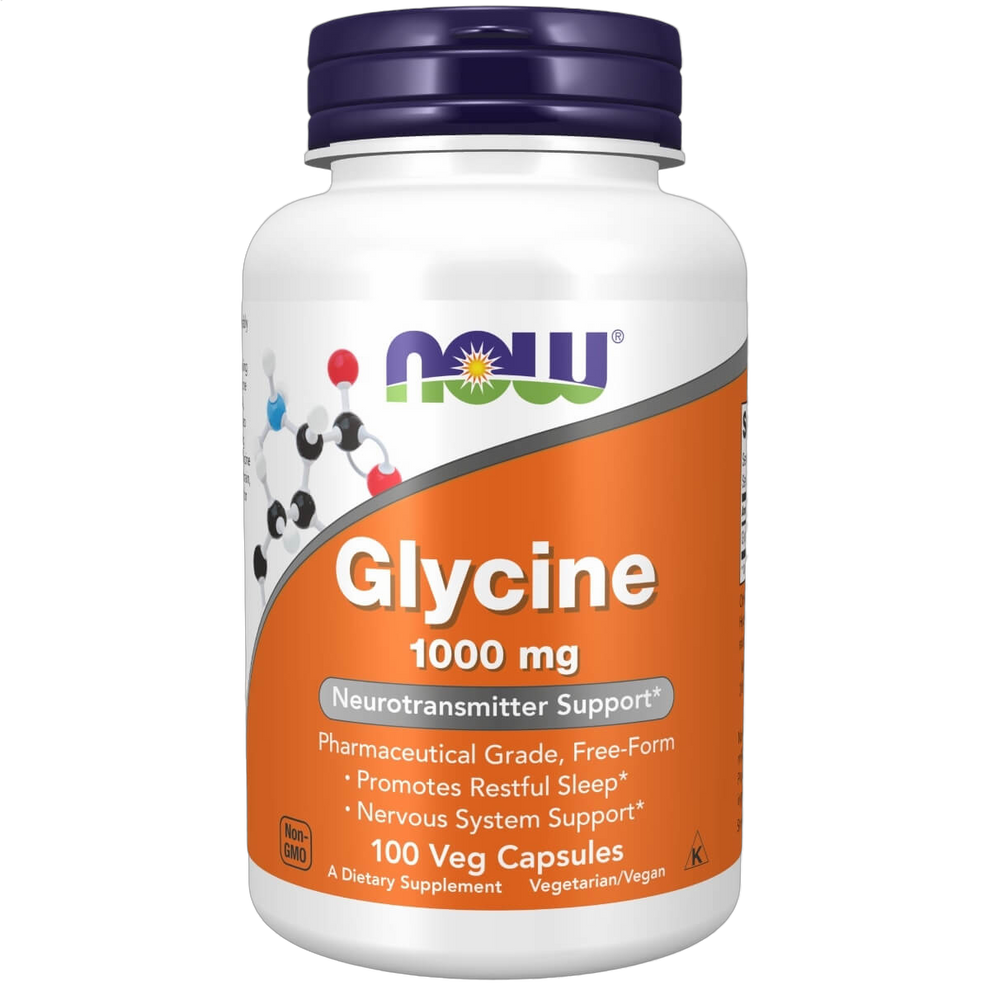
Glycine, the simplest non-essential amino acid, has moved from the periphery of sports nutrition to the centre of performance-focused recovery strategies. For athletes who demand rapid muscle repair, optimal sleep quality, and balanced hormone production, a high-quality glycine supplement can be a decisive edge. The UK market now offers a range of formulations specifically designed for active lifestyles, each promising to support endurance, strength, and overall wellbeing. This article examines the scientific rationale behind glycine use, highlights key criteria for selecting the best product, and outlines practical dosing protocols for athletes seeking measurable gains.
Why Glycine Matters for Athletic Performance
Muscle Repair and Protein Synthesis
- Glycine is a building block of collagen, the protein that reinforces tendons, ligaments, and joint cartilage.
- Supplemental glycine boosts the availability of amino acids needed for post-exercise protein synthesis, accelerating micro-tear repair.
- Research indicates that glycine, when combined with other essential amino acids, can improve lean-mass retention during calorie-restricted training phases.
Sleep Quality and Hormonal Balance
- Glycine acts as an inhibitory neurotransmitter, lowering core body temperature and promoting deeper, more restorative sleep.
- Improved sleep translates to higher growth hormone spikes, essential for tissue regeneration and glycogen replenishment.
- Enhanced sleep also reduces cortisol levels, mitigating the catabolic environment that can accompany intense training cycles.
Joint Health and Connective Tissue Support
- Collagen synthesis requires glycine at a ratio of roughly 1 part glycine to 3 parts proline and hydroxyproline.
- Regular intake of glycine-rich supplements supports joint cushioning, reducing the risk of overuse injuries common in high-impact sports.
Key Factors When Choosing the Best Glycine Supplement UK
- Purity and Manufacturing Standards – Look for products manufactured in GMP-certified facilities with third-party testing to confirm the absence of heavy metals and contaminants.
- Formulation Type – Powdered glycine offers flexibility for stacking with other nutrients, while tablets provide convenience for on-the-go athletes.
- Dosage Accuracy – Reliable labeling ensures each serving delivers the intended 3-5″?g range commonly cited in performance studies.
- Added Ingredients – Some formulations include vitamin B6 or magnesium, which can enhance glycine absorption and metabolic utility.
- Cost-per-Gram – Competitive pricing without compromising quality is essential for long-term supplementation plans.
For athletes based in the United Kingdom, the most reputable sources typically list their products under the category of glycine supplement uk. Browsing this selection allows comparison of tablet versus powder options, ensuring the chosen product aligns with personal preference and training schedule.
Top Glycine Supplement Options for Athletes
1. Pure Glycine Powder – 100″?% Glycine
- Dosage: 3″?g mixed with water or a post-workout shake.
- Benefits: Immediate absorption, easy stacking with creatine or BCAAs.
- Ideal for athletes who prefer to customize flavor and timing.
2. Glycine Tablets – 500″?mg per Tablet
- Dosage: 6-8 tablets daily (total 3-4″?g).
- Benefits: Portable, no mixing required, perfect for travel or competition days.
- Ideal for athletes who value convenience and precise dosing.
3. Glycine-Enriched Collagen Blend
- Combines hydrolyzed collagen with 30″?% free glycine.
- Supports both muscle recovery and joint integrity.
- Best suited for athletes with high joint-stress sports such as running, rowing, or weightlifting.
Each of these formats can be found within the curated collection of glycine tablets and broader offerings, allowing athletes to select the form that best matches their routine.
How to Incorporate Glycine into an Athletic Nutrition Plan
- Pre-Workout – A small dose (1″?g) 30 minutes before training can help stabilise blood glucose and support neuromuscular function.
- Post-Workout – The most evidence-based window is within 30 minutes after exercise; combine 3″?g of glycine with a protein source to maximise muscle protein synthesis.
- Before Bed – 2-3″?g taken 30 minutes before sleep improves sleep latency and quality, fostering overnight recovery.
Consistency is key. Daily supplementation, even on rest days, maintains elevated glycine levels, ensuring the body is always ready for the next training stimulus.
Potential Side Effects and Safety Considerations
- Glycine is generally recognised as safe (GRAS) at typical sports-nutrition dosages (up to 5″?g per day).
- Excessive intake (>10″?g) may cause mild gastrointestinal discomfort, such as bloating or loose stools.
- Athletes with pre-existing kidney conditions should consult a healthcare professional before beginning high-dose regimens.
Conclusion: Selecting the Best Glycine Supplement UK for Optimal Performance
When evaluating options, prioritize purity, accurate dosing, and a formulation that integrates seamlessly with existing nutrition protocols. Whether opting for a straightforward powder, convenient tablets, or a collagen-rich blend, the right glycine supplement can enhance sleep, accelerate muscle repair, and protect joint health, key pillars of athletic longevity. By choosing a reputable source within the best glycine supplement uk selection, athletes can trust that the product meets stringent quality standards while delivering the performance-focused benefits that modern training demands.